 BOXLEO

Cross-Docking Services
Cross-Docking Services help suppliers, distributors and logistics operations move products through the supply chain without extended storage time. Instead of holding inventory in a warehouse for long periods, incoming shipments are transferred directly into outbound distribution workflows.
This process supports faster inventory movement, reduced handling delays and more efficient transportation coordination. Products can move from receiving to outbound shipping with minimal interruption, helping businesses improve operational speed and streamline distribution flow.
Direct Transfer and Distribution Operations
Coordinated Cross-Docking Workflow
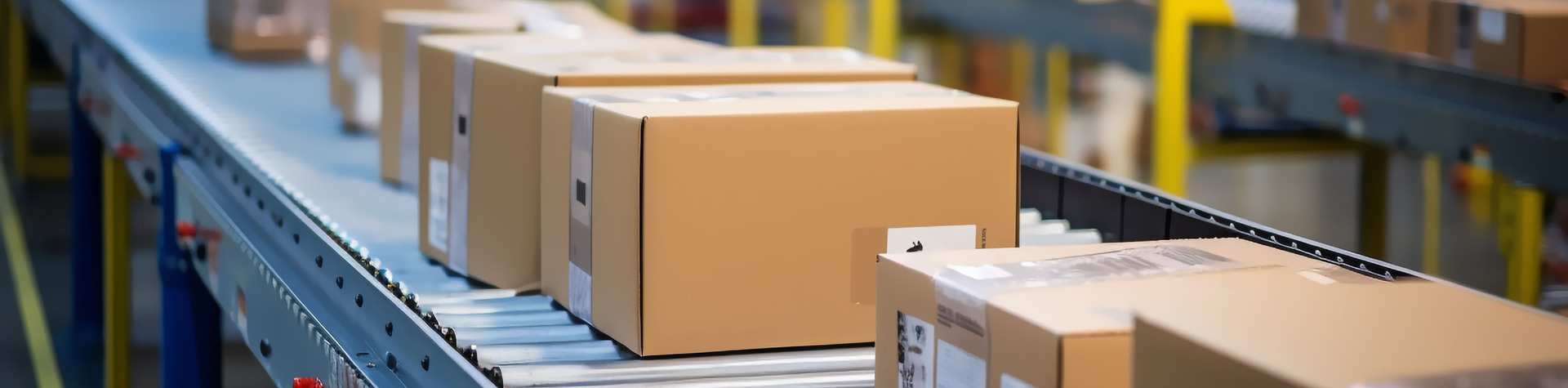
Cross-docking operations begin with shipment intake and continue through sorting, routing and outbound transfer coordination. The workflow is designed to support faster product movement between suppliers, carriers and delivery networks.
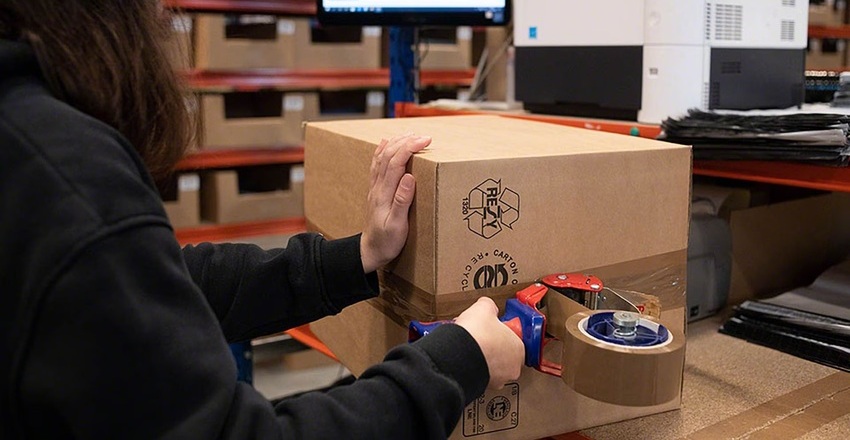
Incoming products can be organized and prepared for immediate outbound transfer operations.
Shipments may move directly from receiving operations into delivery or transportation workflows.
Products spend less time in long-term storage before continuing through distribution channels.
Fast-Moving Supply Chain Support
Faster Routing for High-Volume Distribution
Businesses with large inventory volumes often require faster product turnover and more efficient transportation coordination. Cross-Docking Services support recurring distribution operations, regional supply movement and time-sensitive logistics workflows.
Large incoming shipments can be redirected into outbound transportation with minimal processing delays.
Products can move through multiple transportation routes and distribution points more efficiently.
Cross-docking workflows help reduce unnecessary storage time and speed up shipment movement.
Advantages of Cross-Docking Operations
Reduced Storage Time and Quicker Outbound Movement
A structured cross-docking workflow helps businesses improve distribution efficiency and reduce operational slowdowns caused by extended warehouse storage. Coordinated transfer operations also support better inventory movement and faster delivery scheduling.
Products can move through receiving and outbound operations with reduced waiting time.
Businesses can reduce reliance on long-term warehousing during active distribution cycles.
Coordinated routing and transfer procedures help maintain smoother logistics operations.
Frequently Asked Questions
Cross-docking is a logistics process where products move directly from receiving operations into outbound distribution with minimal storage time.
The service is suitable for suppliers, distributors, transportation networks and businesses with high inventory movement requirements.
Yes. Cross-docking helps reduce the amount of time products spend in long-term storage before shipment.
Yes. Cross-docking workflows are commonly used for recurring large-scale distribution and supply chain operations.
Cross-docking helps businesses improve shipment speed, reduce storage delays and maintain more efficient distribution workflows.